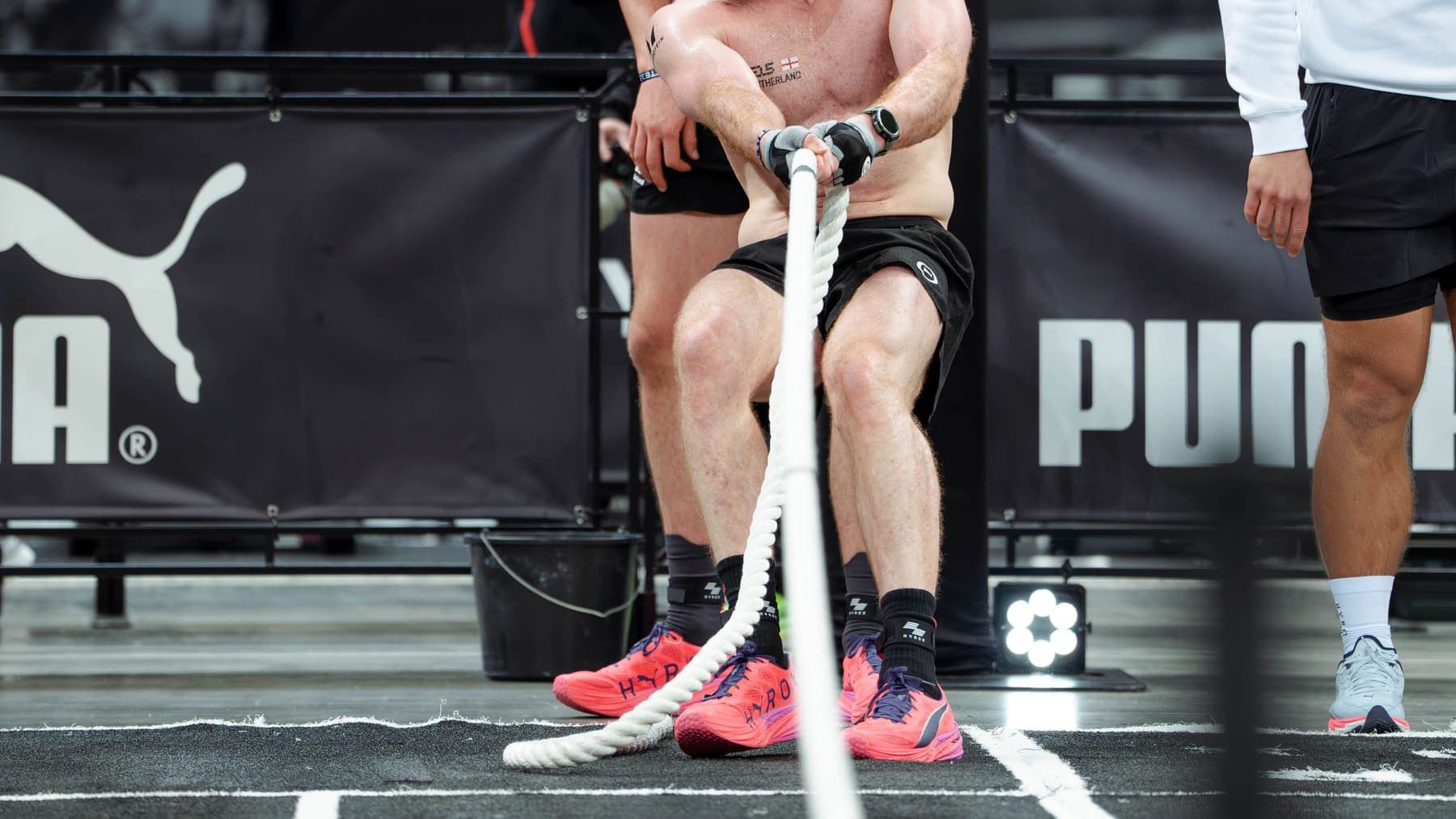
The sled pull is the station with the most ways to earn a penalty, and the one whose real cost lands three stations later. Your grip does not recover between here and the farmers carry, and most people never train that connection.
Why trust this
Loads and movement standards are read from the official 26/27 singles rulebook. This station has more positional rules than any other, which is why it is worth reading properly rather than copying what you see in a video.
The standard, exactly
50 metres, as four lengths of 12.5m. Loads are 78kg Women's Open, 103kg Men's Open and Women's Pro, 153kg Men's Pro, all including the sled.
The rules that catch people:
- You must use your assigned lane.
- Both sled and racer must be completely within the Racers Box before starting.
- You must stay inside the Racers Box at each end of your lane at all times.
- You may not step on the solid line at the front or back of the box while holding the rope.
- The sled must pass the 12.5m mark completely over the white line before you change direction.
- You must remain standing. Pulling from a seated or kneeling position is not permitted.
The five mistakes
1. Pulling with the arms. Same root fault as the SkiErg, different station. Arm-dominant pulling burns grip and biceps and produces less force than driving through the legs and hips with a braced trunk.
The fix: sit your hips back, brace, and pull hand-over-hand with the arms as hooks rather than motors. The power comes from your body weight moving backwards.
2. Stepping on the box line. The rulebook is explicit: you may not step on the solid line at the front or back of the Racers Box while holding the rope. It happens when you tire and reach for more rope without watching your feet.
The fix: know where the line is before you start, and take shorter reaches as you fatigue rather than creeping forwards.
3. Dropping to a knee. Athletes instinctively drop lower for leverage when it gets heavy. That is explicitly not permitted, and it will be called.
The fix: if you need more leverage, widen your stance and hinge, do not kneel.
4. Letting the rope go slack. A stopped sled needs restarting, and static friction is much higher than moving friction. Every stall costs more than the rest gains.
The fix: continuous hand-over-hand rhythm, even if each pull is small.
5. Ignoring the grip debt. This is the expensive one. You burn your grip here at station three, then the farmers carry asks for it at station six, and the sandbag at seven wants your forearms too.
The fix: train grip after pulling, never fresh. Carries immediately following heavy rows or pulls is the specific pattern the race demands.
The faults at a glance
| Fault | Costs you | Fix | |---|---|---| | Arm-only pulling | Grip you need at station 6 | Hips back, arms as hooks | | Stepping on the box line | Penalty | Know the line, shorten reaches | | Dropping to a knee | Penalty, it is not permitted | Widen stance and hinge instead | | Letting the rope go slack | Static friction on every restart | Continuous hand-over-hand | | Ignoring the grip debt | The farmers carry at station 6 | Train carries after pulling |
The practical part: three sessions
- Position work. 6 x 12.5m at race weight, full rest, focusing on hip drive and staying inside an imagined box. You are grooving a legal, efficient position.
- The grip coupling. 4 rounds: 12.5m sled pull, then straight into a 100m farmers carry. This is the race's actual demand and almost nobody trains it.
- Compromised. 3 x (1km run, then 50m sled pull). Learn what pulling feels like with your heart rate already high.
Add dead hangs or heavy holds twice a week. Grip is the failure point at two separate stations and it is the most commonly skipped quality in HYROX training.
Honest limitations
Rope technique varies with the rig and the rope thickness, and some venues feel notably different. The positional rules do not change, so train to those.
Grip strength also improves relatively slowly compared with technique, so if grip is your limiter, start earlier than you think.
If you have an elbow or lower back history, hand-over-hand pulling under load is worth a professional opinion first.
Next step
For the whole sequence and the couplings between stations, see station order.
The fitness assessment quiz will tell you where you are actually losing time.
Source: loads, Racers Box rules and the standing requirement from the official HYROX singles rulebook, season 26/27.
Related
[ FAQ ]
Frequently asked
Can you sit down during the HYROX sled pull?
No. The rulebook requires you to remain standing at all times. Pulling from a seated or kneeling position is not permitted and will be called.
What is the most common sled pull penalty?
Stepping on the solid line at the front or back of the Racers Box while holding the rope. It is easy to do when you are tired and reaching for more rope, and it is one of the most frequently called infringements at this station.
How heavy is the HYROX sled pull?
78kg in Women's Open, 103kg in Men's Open and Women's Pro, and 153kg in Men's Pro, all including the sled. The distance is 50m as four lengths of 12.5m.
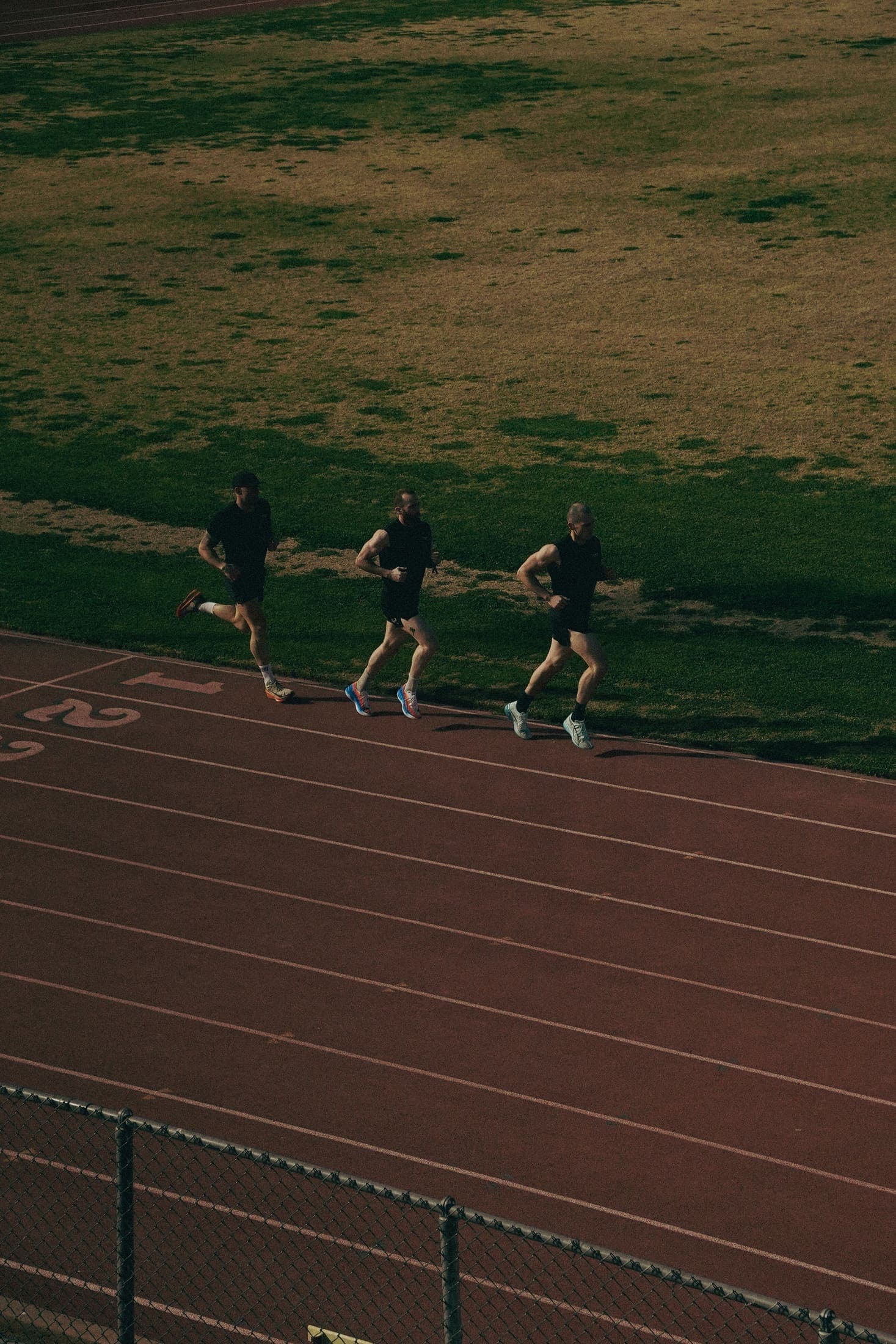
Written by
The Suth Performance teamCoaches and editors
The Suth Performance programming team, led by HYROX Elite 15 athlete Ben Sutherland. They write the training, technique and race-day guides on this site, and Ben reviews every one before it is published.
[ KEEP READING ]
Related guides
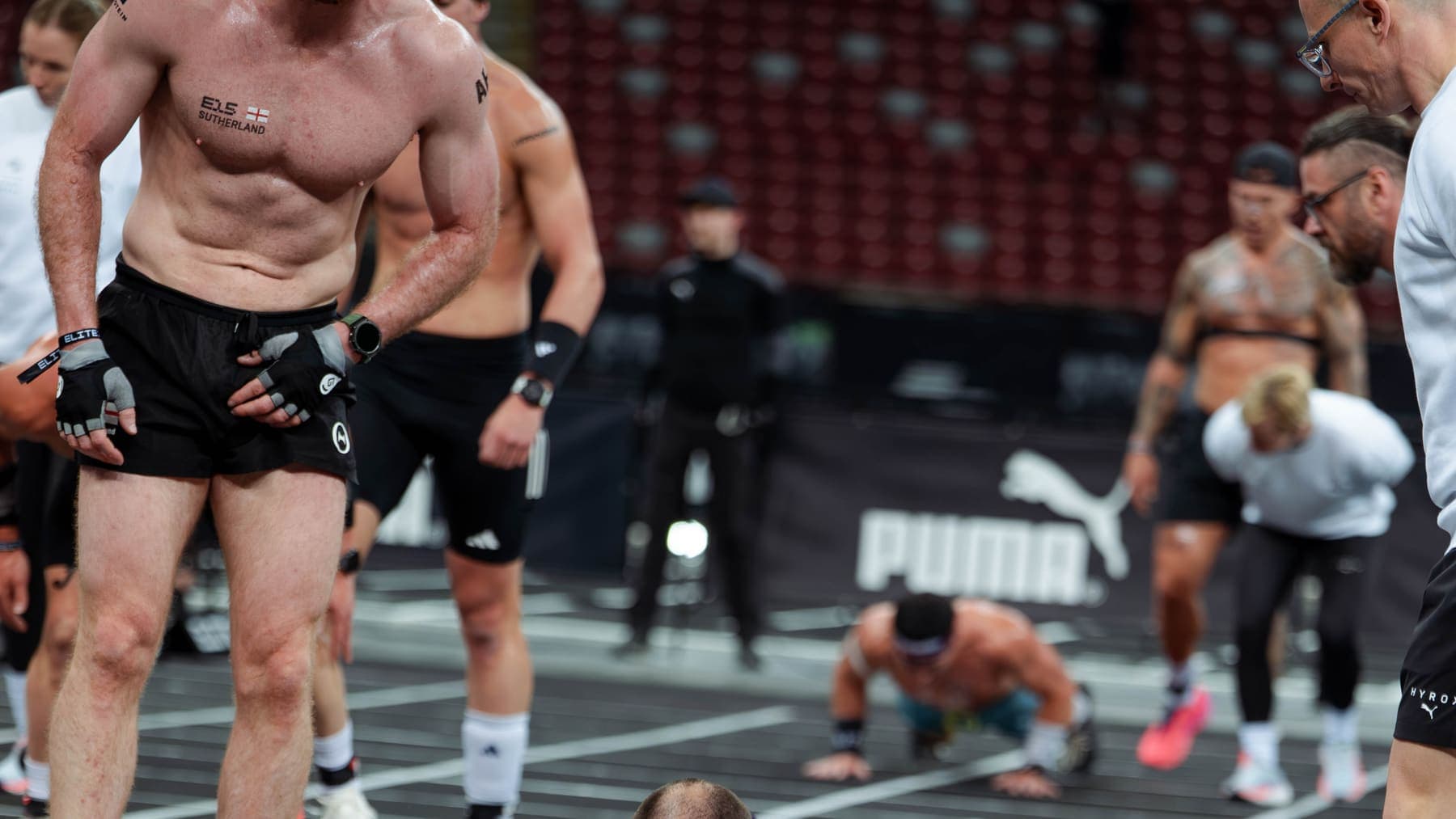
Technique
Burpee broad jump mistakes: what's costing you 60 seconds
There is no minimum jump distance, which changes the whole strategy. Five faults, the 5cm rule almost nobody knows, and why long jumps are usually the wrong answer.
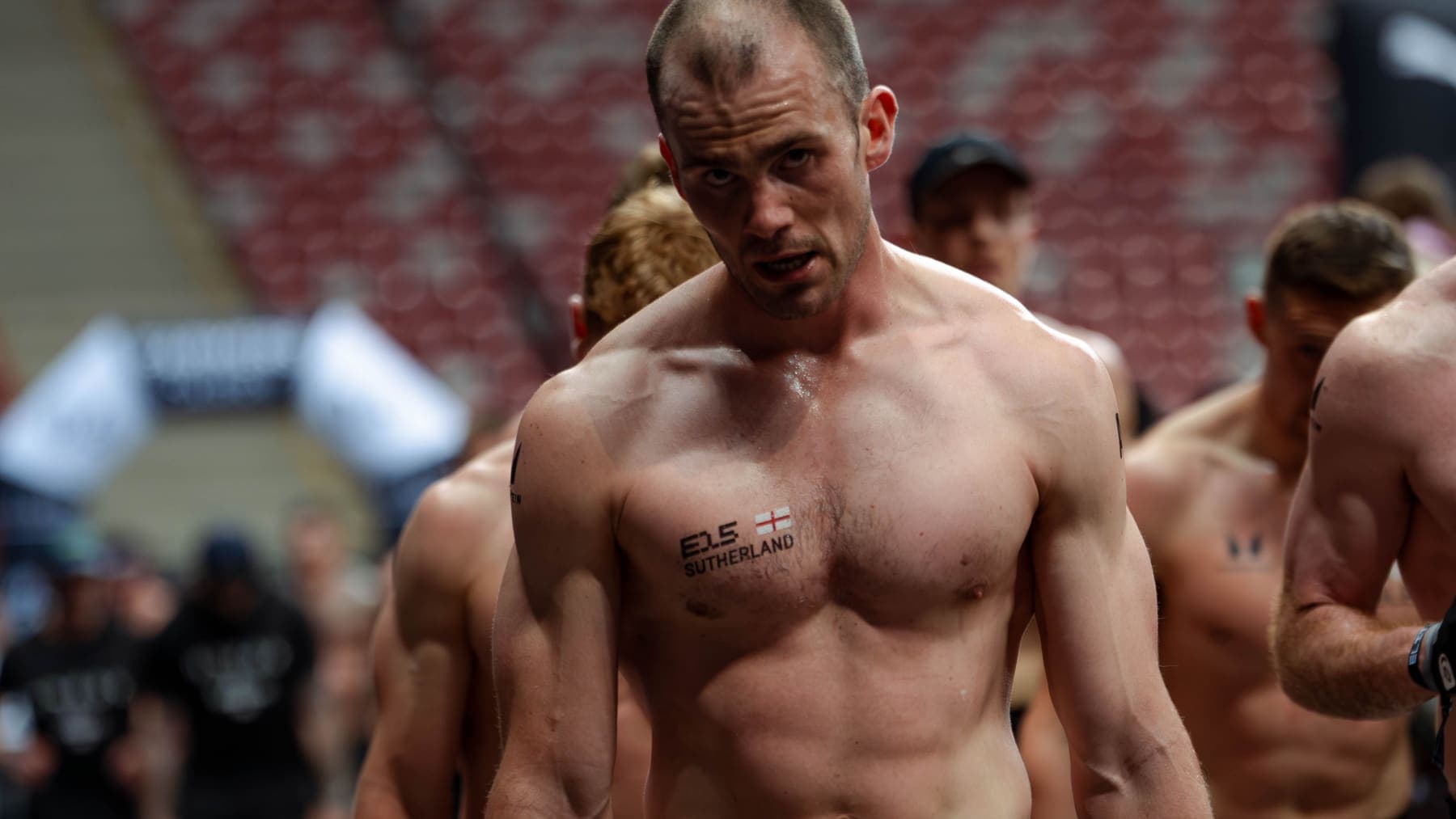
Technique
Farmers carry mistakes: what's costing you 60 seconds
Putting the bells down is the obvious mistake. The expensive ones are training grip fresh, not counting your laps, and losing the box on the way back in.
Technique
Rowing mistakes: what's costing you 60 seconds
The row is the only genuine recovery in a HYROX, and most people spend it digging a deeper hole. Five faults, plus the rule that lets you rest mid-station without penalty.